The wager
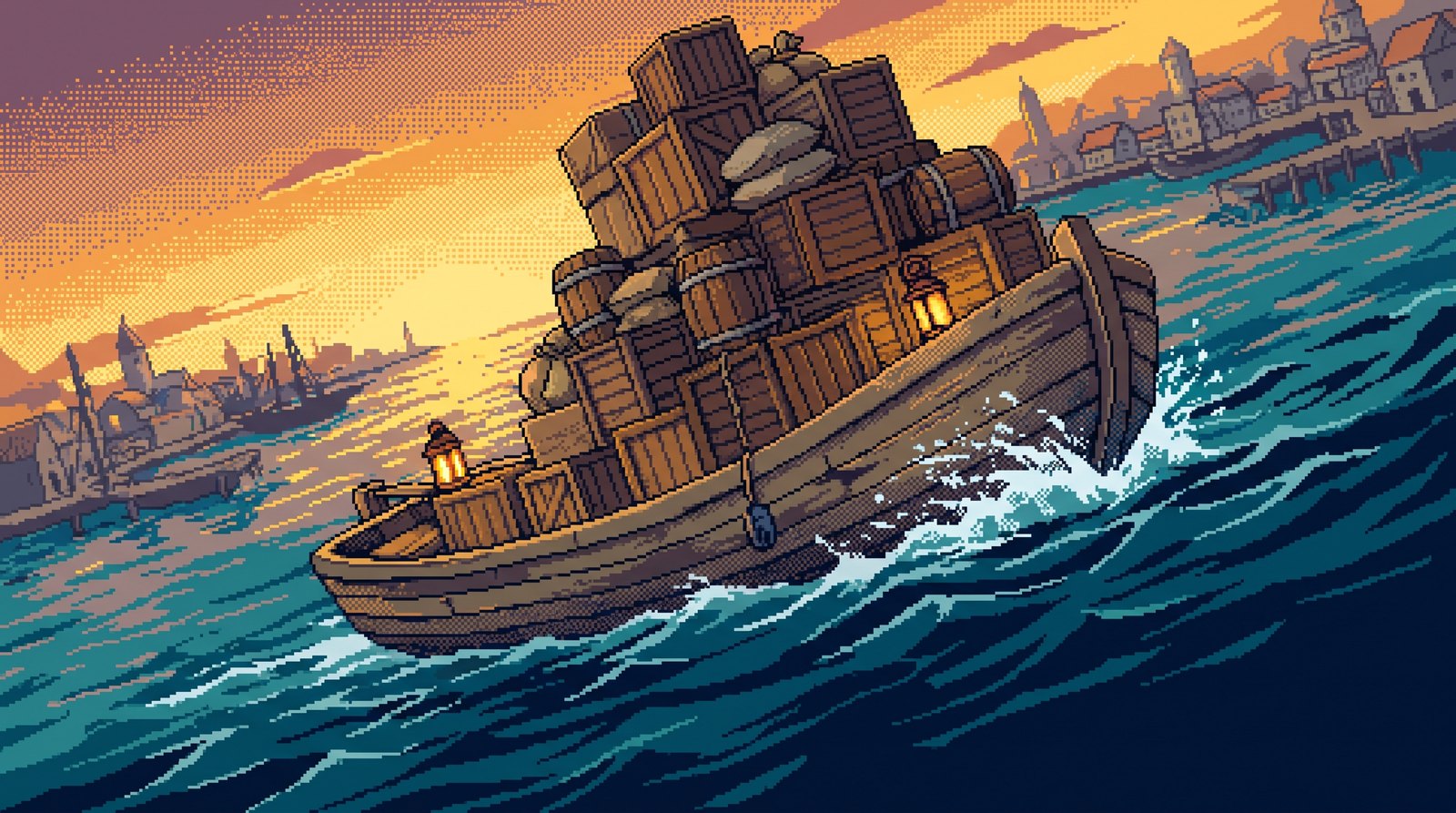
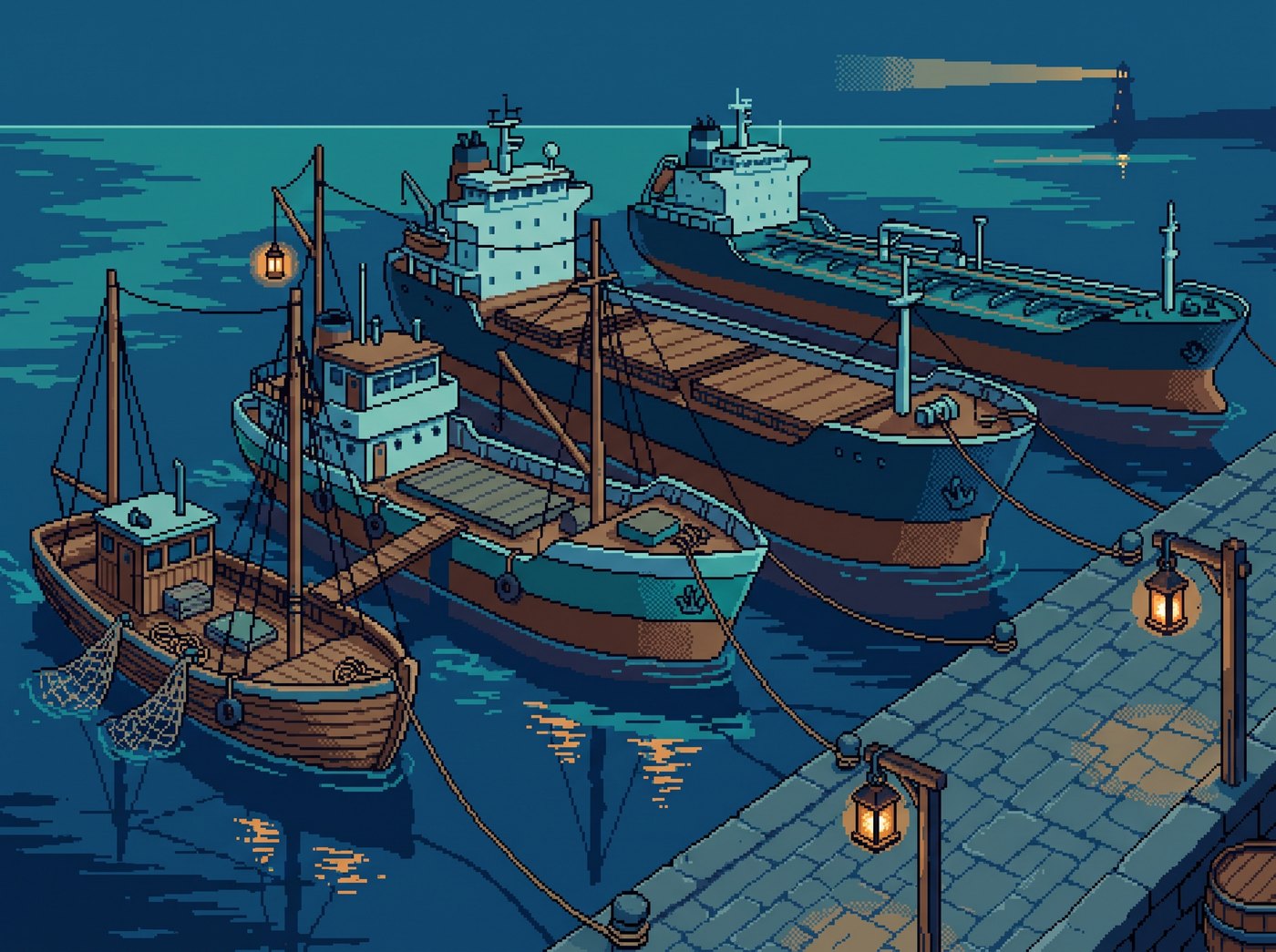
Your ports make cargo while you are away. Every run begins by spending it: meet the contract, then decide how much more you want piled on the deck. The boat floats on genuinely displaced area, so extra weight is not a modifier on a spreadsheet. It is load the hull has to physically hold up, and you can watch it lose the argument.
The load
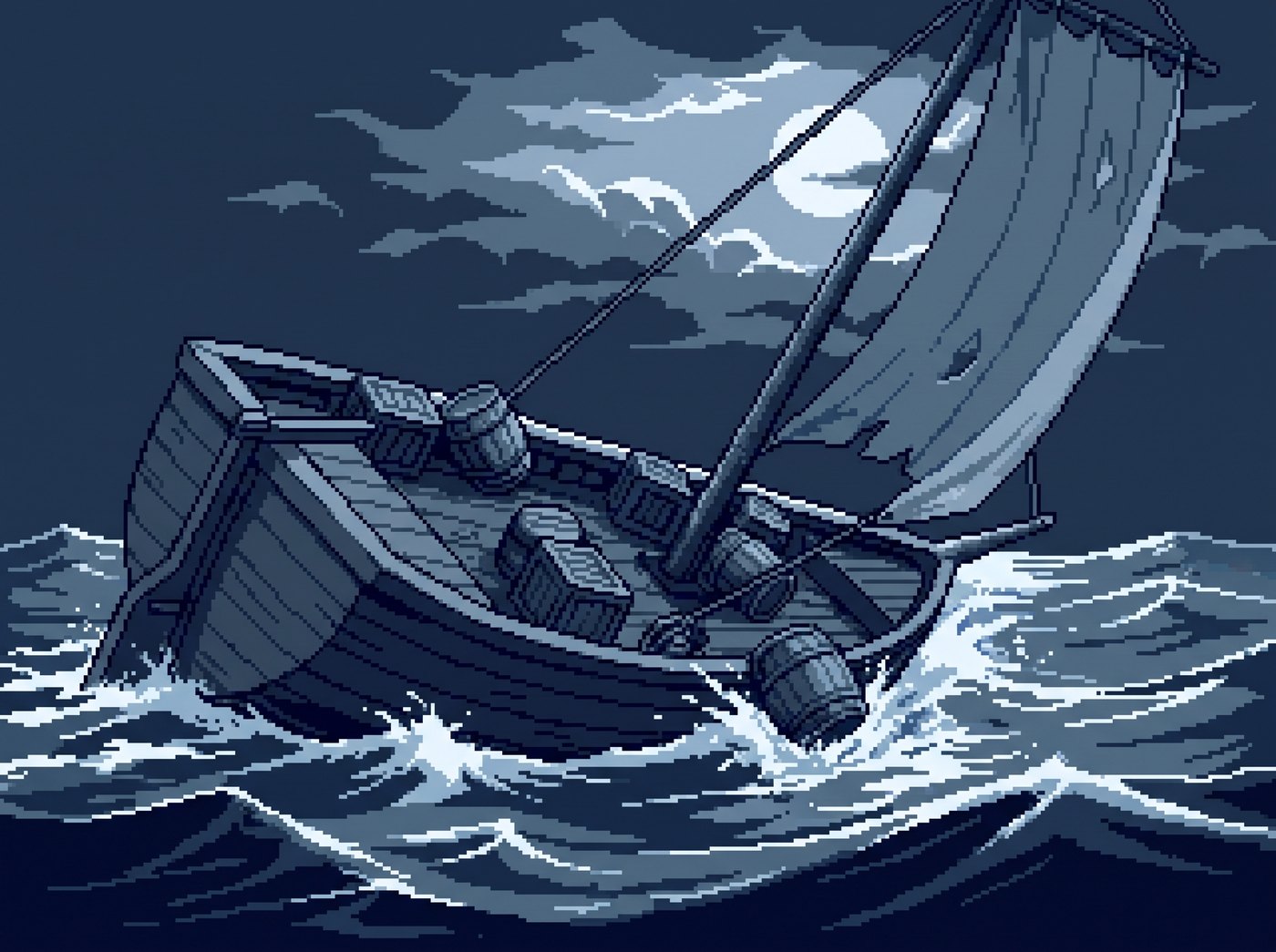
Cargo comes down on a hook and you place it yourself. Heavy and low is the stable answer, and you will not take it, because the overload cards are offering you a multiplier three crates higher than that. Barrels roll, planks slide, and bullion is small enough to disguise how heavy it is. The waterline climbs the hull while you make up your mind.
The tipping point
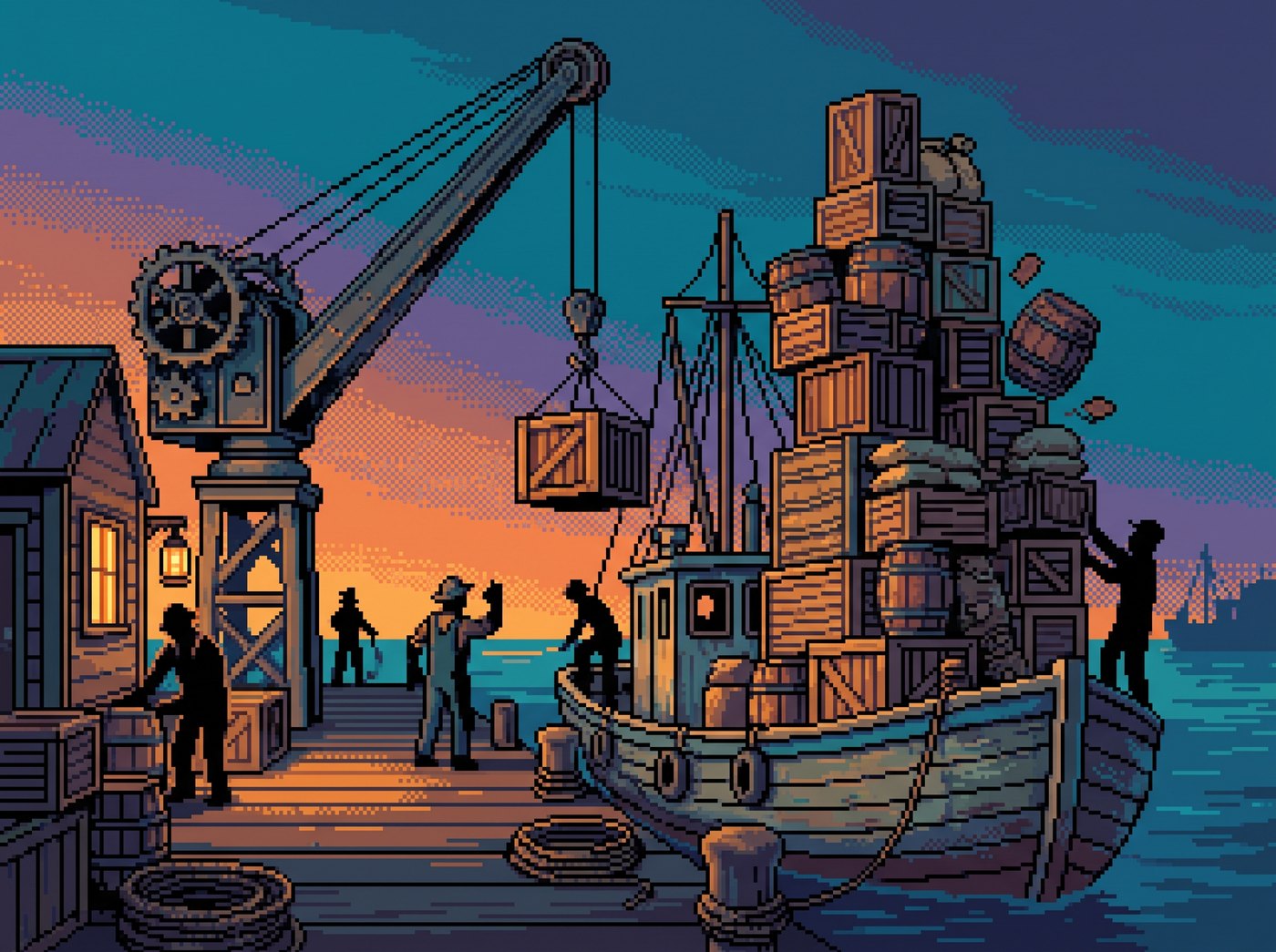
Past sixteen degrees the world slows down, the music thins to almost nothing and a heartbeat comes up underneath it. The hull might still come back. When it does, the screen says SAVED and you keep every crate, and that recovery is the best thirty seconds the game has. When it does not, the capsize plays out slowly on purpose, closer to slapstick than to failure.
The port builder
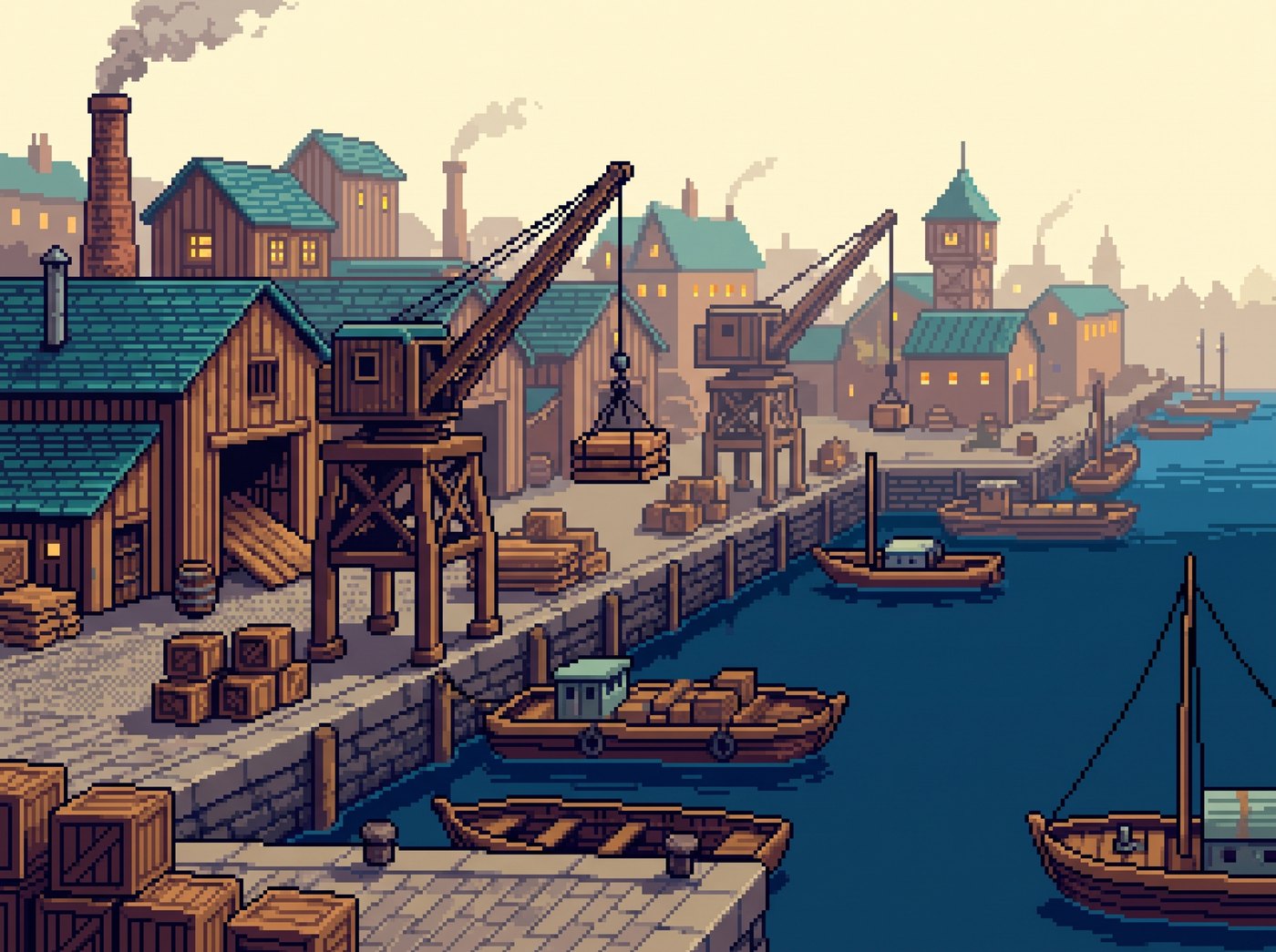
Coins go back into the quay. Timber yards, kilns and smelters each turn out their own resource on their own clock, and the warehouse keeps filling while the app is closed. There is no energy bar and no timer nagging you to return. You come back when there is enough sitting on the dock to be worth putting on a boat.
The fleet
Finish a route by hand and it earns a Route Rating, which is simply how well you loaded it. Assign a hull and that hull sails the route forever, paying out at exactly the rating you set. Passive income can never invent value you did not sail for, so the physics never degrades into a tutorial you graduate out of.
The deal
Tippy Ship is ad-supported, and we have written rules about where those ads are allowed to stand.
In development
Leave your email and we'll tell you when the first route opens.
Launch news only. No spam.